
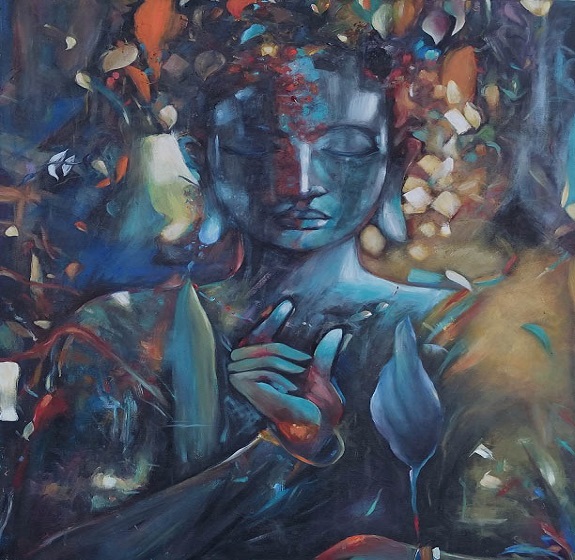
Glossy Acrylic Buddha Painting For Home Decor
Sketch art is a versatile and vital part of the creative process, allowing artists to capture their thoughts, ideas, and observations in a raw and expressive manner. Whether used for quick exploration or as a finished piece of art, sketching offers a window into an artist’s mind and is fundamental in both traditional and digital art forms. Its immediacy and simplicity are part of what makes sketch art so appealing to both artists and art appreciators alike.
Description
Sketch art refers to the practice of creating quick, preliminary drawings that capture the essence of a subject, scene, or idea using basic lines and minimal detail. Sketching is often the first step in a larger artistic process, but it can also be a standalone form of artwork. It allows artists to explore composition, structure, light, and form before committing to more detailed or refined work. Sketch art is appreciated for its raw, expressive quality, often showcasing the artist’s process and spontaneity.
Key Features of Sketch Art:
1. Mediums Used:
- Pencil: The most common tool for sketching, offering flexibility in shading and texture. Artists can achieve a range of tones from light to dark, adding depth and dimension to their work.
- Charcoal: Known for its deep, rich blacks and soft textures, charcoal is often used for dramatic, expressive sketches, especially in portraits or figure drawing.
- Ink or Pen: Used for more defined, detailed sketches, particularly for line work or when emphasizing contrast and boldness.
- Digital Tools: In modern times, digital sketching is done using tablets or styluses in software like Photoshop or Procreate, offering various tools to mimic traditional sketching techniques.
2. Types of Sketch Art:
- Quick Sketches: These are spontaneous and fast, often done in a short amount of time to capture a basic idea or gesture. They might not focus on detail but are more concerned with overall shapes and compositions.
- Studies: Sketches that serve as studies for larger, more detailed artworks. These might include anatomical studies, quick landscape studies, or rough ideas for a painting or sculpture.
- Gestural Sketches: Often used in figure drawing, where the artist quickly captures the human form or movement using sweeping, fluid lines. These sketches focus on the gesture and flow of the subject rather than intricate detail.
- Detailed Sketches: Though sketches are often associated with simplicity, some can be highly detailed, showing intricate lines, textures, and shading.
3. Styles of Sketch Art:
- Realistic Sketches: These are highly detailed and accurate, aiming to capture the true likeness of a subject. They may involve extensive shading, fine lines, and careful observation of proportions and anatomy.
- Abstract Sketches: Some sketches focus more on shapes, lines, and forms, without an intention to represent something realistic. This type of sketch may focus on emotional or conceptual expression rather than precision.
- Cartoon/Comic Sketches: These sketches often feature simplified, exaggerated forms, with an emphasis on stylized figures or characters. They are popular in comics, storyboarding, and character design.
4. Techniques in Sketch Art:
- Shading and Hatching: Techniques used to create depth, texture, and form in sketches. Shading uses varying pressure on the pencil or charcoal to create lighter or darker areas, while hatching involves drawing parallel lines to build up tone and texture.
- Cross-Hatching: This technique involves drawing intersecting sets of parallel lines to create tonal depth and texture. It’s often used in ink sketches or pen drawings.
- Line Work: Some sketches focus on clean, crisp lines without much shading, especially in ink or pen sketches, creating sharp contrasts and outlines.
- Blending: With pencils or charcoal, artists may use blending stumps or their fingers to soften and smooth out the shading for more fluid transitions in tone.
5. Purpose of Sketch Art:
- Exploration: Artists often use sketches to experiment with ideas, compositions, or new techniques. Sketching allows them to try different concepts quickly without the commitment of a finished artwork.
- Recording Observations: Sketches can serve as a record of real-life observations. For example, many artists sketch what they see in nature, urban environments, or from life models to document the world around them.
- Expression and Emotion: A sketch can be highly expressive, conveying an artist’s feelings, moods, or reactions. Its raw and unfinished nature can emphasize a sense of immediacy and emotion.
- Preparation: Sketches often act as preliminary drafts or studies for larger works, such as paintings, sculptures, or digital illustrations. They help artists plan out compositions, lighting, and proportions before working in a more detailed medium.



Reviews
There are no reviews yet.